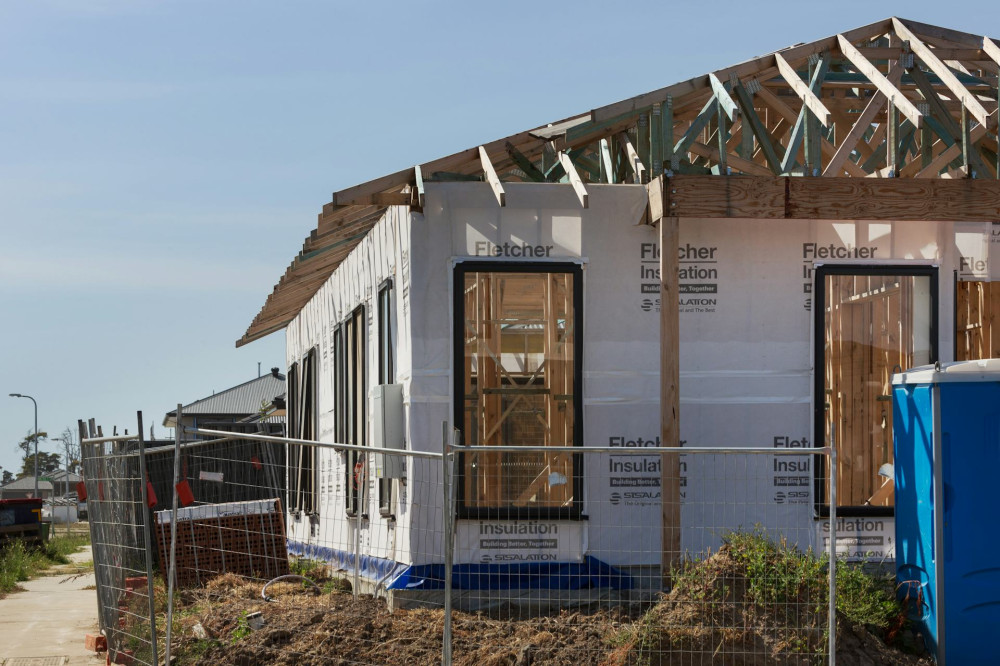
Soil Conditions – The Key to a Stable Building Foundation

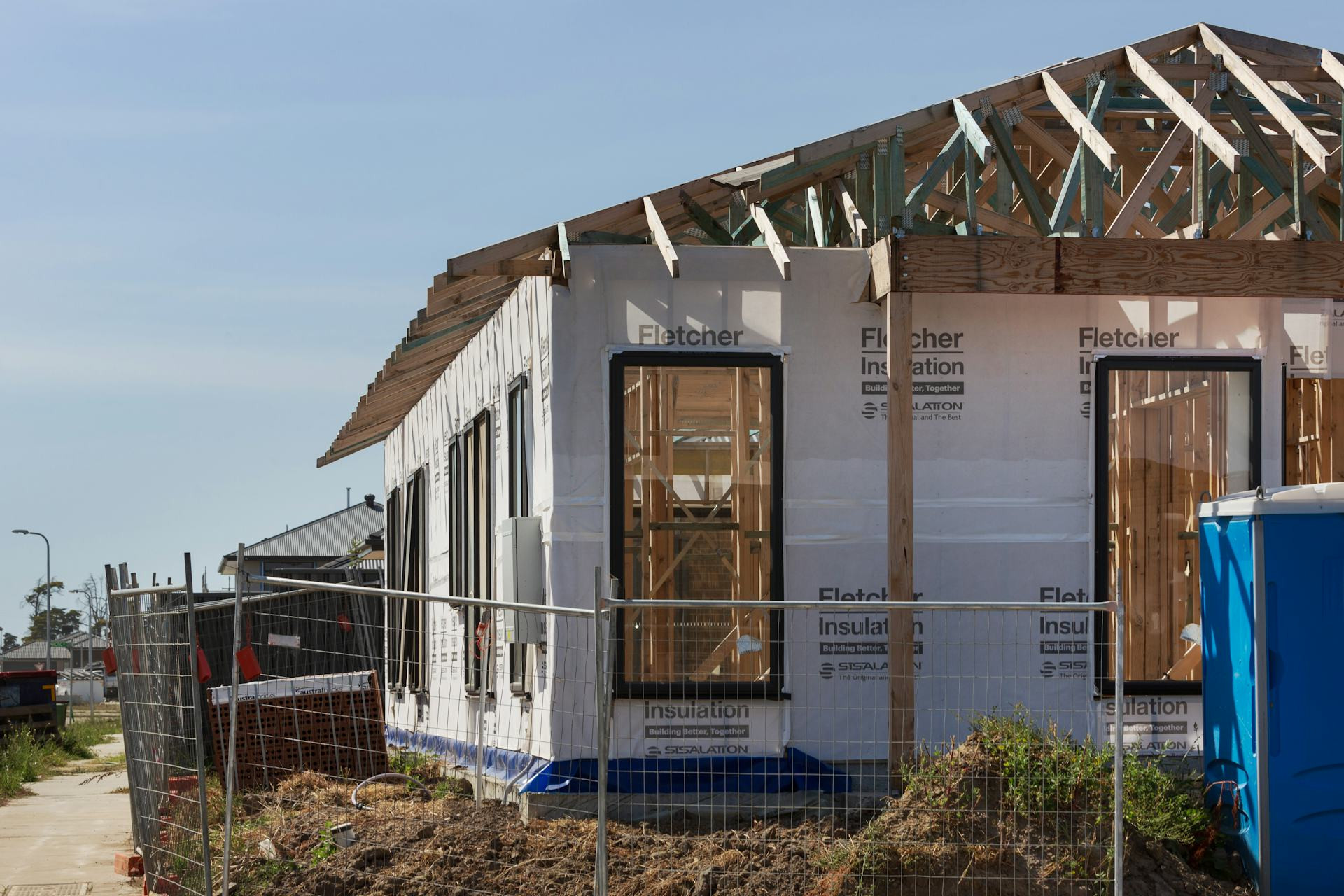
Soil Conditions – The Key to a Stable Building Foundation
When planning to build a home, addition, or garage, it’s easy to focus on design, materials, and finishes. But beneath the surface lies a factor that can make or break your project: the soil. Soil conditions determine how stable your foundation will be and how much it may shift over time. Ignoring them can lead to cracks, uneven floors, and costly repairs. Here’s why understanding your soil is essential—and how to ensure your building starts on solid ground.
What Do Soil Conditions Mean?
“Soil conditions” refer to the physical characteristics of the ground beneath your property—how the layers of soil are composed and how they behave under load and moisture changes. In the U.S., soil types vary widely from region to region, from sandy coastal soils to heavy Midwestern clay and rocky mountain terrain. Each type has its own strengths and challenges:
- Sandy and gravelly soils drain water well and provide good load-bearing capacity. They’re generally stable and less prone to shifting.
- Clay soils expand when wet and shrink when dry, which can cause foundations to move or crack—especially common in parts of Texas, Oklahoma, and the Midwest.
- Fill soils—earth that has been moved or added to a site—can be unpredictable if not properly compacted.
Knowing what lies beneath your site is the first step toward choosing the right foundation design.
The Geotechnical Investigation – Your First Essential Step
Before construction begins, it’s wise to have a geotechnical (soil) investigation performed. A geotechnical engineer or soil testing company will drill or dig test borings, analyze the soil layers, and measure moisture content and bearing capacity. The resulting report provides recommendations for foundation type, depth, and drainage.
In the U.S., a basic residential soil test typically costs between $1,000 and $3,000, depending on location and site complexity—a small investment compared to the tens of thousands it can cost to fix foundation problems later. Many local building departments or lenders may even require a soil report before issuing permits or approving financing.
Common Foundation Types
Once the soil conditions are known, your builder or structural engineer can select the most suitable foundation system. The most common types include:
- Slab-on-grade foundation – A single concrete slab poured directly on the ground, ideal for stable, well-drained soils and warmer climates.
- Crawl space foundation – Uses short walls or piers to elevate the home slightly above the ground, allowing access to plumbing and wiring while protecting against moisture.
- Basement foundation – Common in colder regions, this type extends below the frost line and provides additional living or storage space.
- Pier or pile foundation – Used when surface soils are weak; deep piers or piles transfer the load to stronger layers below.
The right choice depends on both the soil’s characteristics and the building’s design and weight.
Læs også:

When the Ground Moves
Even a well-built foundation can be affected by changes in the soil. Heavy rainfall, drought, or poor drainage can cause the ground to expand, contract, or erode. This is especially true in clay-rich areas, where moisture fluctuations are significant.
Warning signs of soil movement include cracks in walls or floors, doors or windows that stick, or uneven patios and driveways. If you notice these issues, contact a structural engineer or foundation specialist. Early intervention—such as improving drainage or stabilizing the soil—can prevent more serious damage and higher repair costs.
How to Prevent Foundation Problems
While you can’t change the soil type on your property, you can take steps to minimize risks:
- Ensure proper drainage around your home so rainwater flows away from the foundation.
- Keep large trees and shrubs at a safe distance, as their roots can draw moisture from the soil and cause uneven settling.
- Maintain consistent moisture levels in clay-heavy soils by using soaker hoses during dry spells.
- Regrade the landscape if the ground slopes toward your house to prevent water pooling.
- Get a new soil test before adding onto your home—soil conditions can vary even within the same lot.
These preventive measures can save you from major structural issues down the road.
A Strong Foundation Starts Below the Surface
A building is only as strong as the ground it stands on. Soil conditions may be invisible, but they are the foundation of every successful construction project. By understanding your soil, investing in a professional investigation, and designing accordingly, you ensure that your home or building will stand firm for decades to come—no matter what nature throws its way.
Læs også: