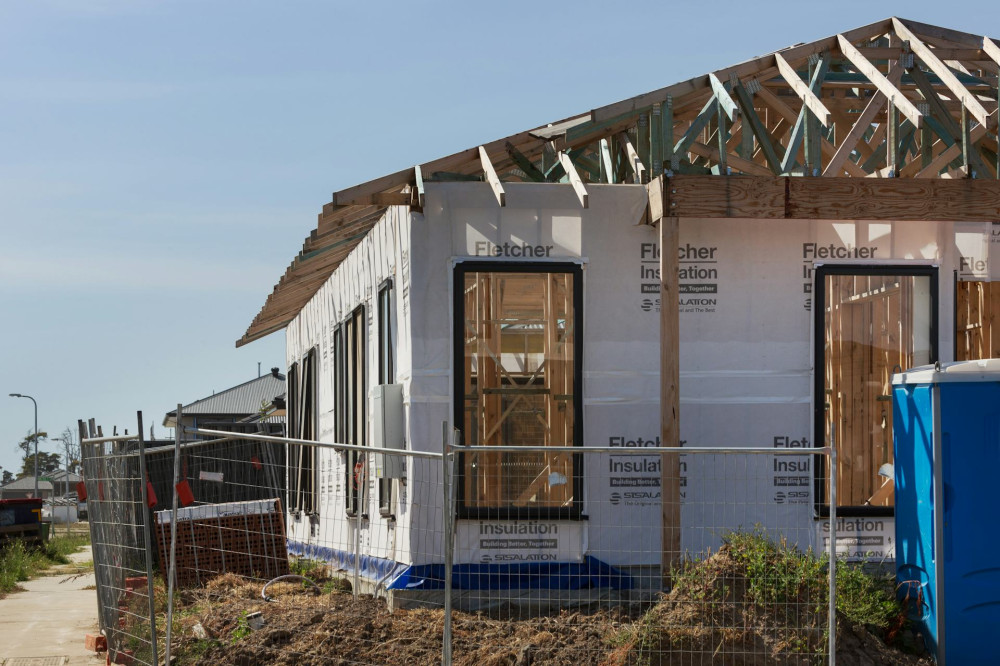
Construction Insurance: Security and Protection During the Building Process

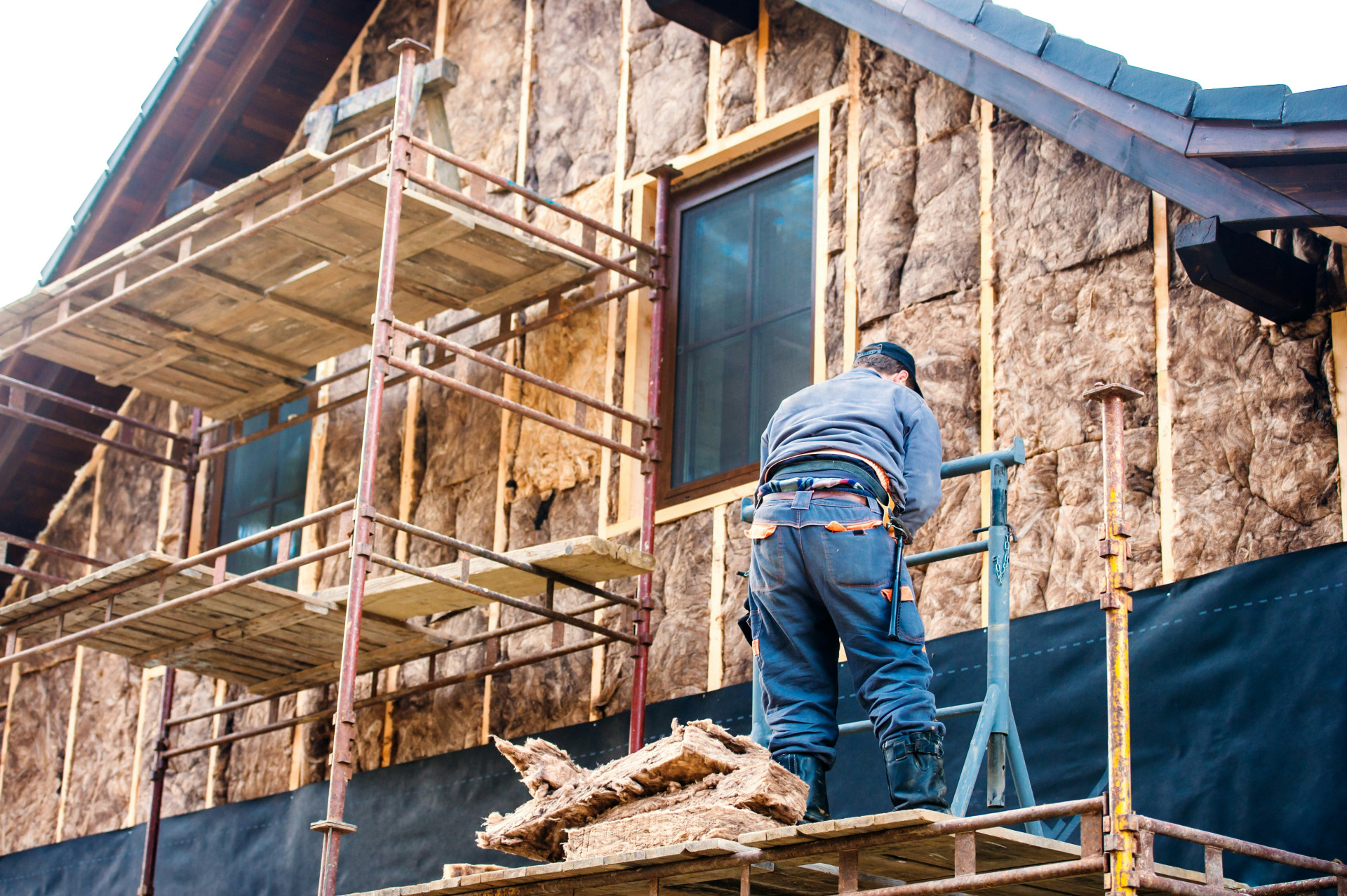
Construction Insurance: Security and Protection During the Building Process
Building a new home or undertaking a major renovation is an exciting milestone—but it also comes with significant risks. Accidents, weather damage, or construction errors can quickly turn a dream project into a financial burden if you’re not properly insured. Construction insurance provides essential protection throughout the building process, ensuring that you, your contractors, and your investment are safeguarded from unexpected losses. Here’s an overview of what construction insurance covers, when it’s required, and how to choose the right policy for your project.
What Is Construction Insurance?
Construction insurance is a specialized type of coverage designed to protect property owners, builders, and contractors during the construction or renovation of a building. It acts as a safety net against damage, liability, and other risks that can occur before the project is completed.
Several types of insurance may be relevant during the building phase:
- Builder’s Risk Insurance – Covers damage to the building and materials during construction, such as from fire, theft, vandalism, or certain weather events.
- General Liability Insurance – Protects against claims for bodily injury or property damage caused by the construction activities.
- Workers’ Compensation Insurance – Required in most states if you have employees; it covers medical expenses and lost wages if a worker is injured on the job.
- Professional Liability Insurance – Also known as errors and omissions insurance, it protects architects, engineers, and contractors against claims of negligence or design errors.
Understanding the differences between these policies is key to ensuring you’re fully protected throughout the project.
When Is Construction Insurance Required?
In the United States, construction insurance requirements vary by state and by the nature of the project. Most lenders and local building authorities require builder’s risk insurance before issuing a construction loan or permit. If you’re hiring contractors, they are typically required to carry general liability and workers’ compensation coverage.
Even if not legally mandated, having the right insurance in place before construction begins is strongly recommended. Without it, you could be personally responsible for costly damages or injuries that occur on your property.
Læs også:

What Does Construction Insurance Cover?
Coverage depends on the type of policy, but generally, construction insurance can include:
- Damage to the structure under construction (from fire, wind, theft, or vandalism)
- Loss or theft of building materials and equipment
- Liability for injuries to third parties or damage to neighboring property
- Legal defense costs in case of lawsuits
- Medical expenses for injured workers (through workers’ compensation)
- Design or professional errors (if covered by professional liability insurance)
It’s important to review your policy carefully, as exclusions often apply—for example, damage caused by faulty workmanship, normal wear and tear, or unapproved design changes may not be covered.
How to Choose the Right Policy
Selecting the right construction insurance starts with assessing your project’s size, scope, and risk factors. A small home renovation may require less coverage than a full-scale new build, but both need adequate protection.
Consider the following steps:
- Identify who is responsible for coverage. If you’re working with a general contractor, confirm what insurance they carry and what you need to provide as the property owner.
- Evaluate your risks. Is your site prone to storms, flooding, or theft? Make sure your policy includes coverage for those specific hazards.
- Compare quotes. Premiums and coverage limits vary widely between insurers. Request multiple quotes and review the terms carefully.
- Check deductibles and coverage limits. A lower premium may come with a higher deductible or limited protection.
- Consult an insurance professional. An experienced agent or broker can help tailor a policy to your project’s unique needs.
Common Mistakes to Avoid
Many property owners and builders make similar mistakes when it comes to construction insurance:
- Assuming the contractor’s insurance covers everything—it often doesn’t.
- Failing to secure coverage before construction begins.
- Overlooking exclusions or coverage limits in the policy.
- Not reporting damages or incidents promptly, which can jeopardize claims.
By being proactive and informed, you can avoid these pitfalls and ensure your project runs smoothly from start to finish.
Peace of Mind During and After Construction
Construction insurance isn’t just about protecting bricks and lumber—it’s about protecting your financial stability and peace of mind. Knowing that you’re covered allows you to focus on the creative and rewarding aspects of building your home or business.
Even after the project is complete, certain policies continue to provide protection against latent defects or liability claims. In the end, construction insurance is an investment in security, quality, and confidence—helping you build not just a structure, but a lasting sense of assurance.
Læs også: