Classic Blackjack vs. Variations: Small Rules with a Big Impact

Classic Blackjack vs. Variations: Small Rules with a Big Impact
Blackjack is one of the most popular card games in the United States—both in brick‑and‑mortar casinos and online. The concept is simple: get closer to 21 than the dealer without going over. Yet behind that simplicity lies a world of subtle rule variations that can dramatically change the game’s strategy and odds. In this article, we’ll explore the differences between classic blackjack and some of its most common variations—and why understanding them can make a big difference at the table.
The Basics of Classic Blackjack
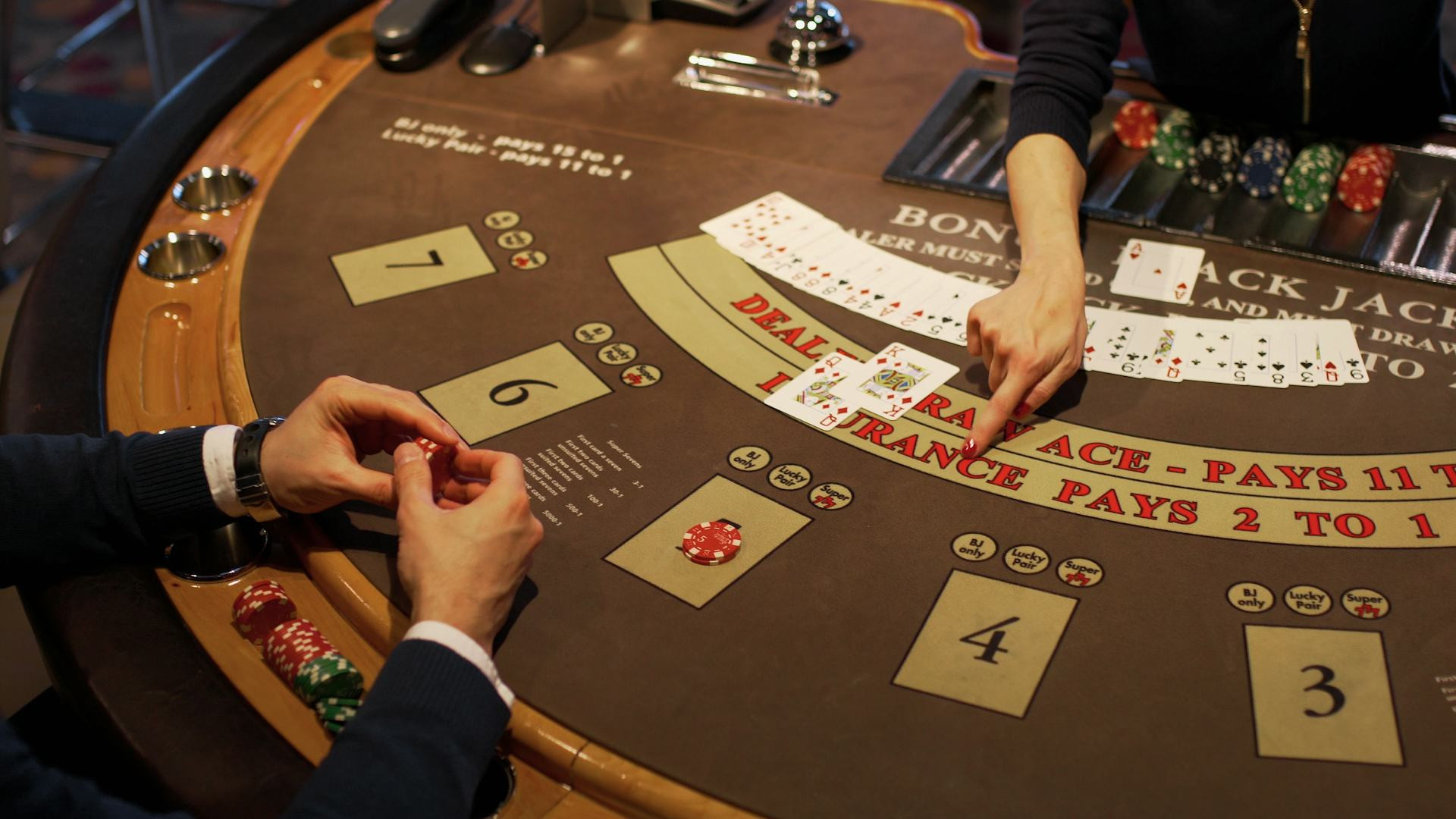
In classic blackjack, you play against the dealer, not the other players. Both you and the dealer start with two cards. Number cards count at face value, face cards count as 10, and aces can count as either 1 or 11.
Players can choose to hit (take another card) or stand (keep their current hand). Other options include double down (double your bet and take one more card) and split (divide a pair into two separate hands). The dealer must draw until reaching at least 17.
It sounds straightforward—but even small tweaks to these rules can shift the game’s math in surprising ways.
Læs også:


American vs. European Blackjack
One of the most fundamental differences lies between American and European blackjack. In American blackjack, the dealer receives two cards at the start—one face up and one face down. If the dealer’s face‑up card is an ace or a 10‑value card, they check immediately for blackjack. This protects players from losing extra bets on doubles or splits if the dealer already has a winning hand.
In European blackjack, the dealer starts with only one card and doesn’t draw the second until all players have finished their turns. That means players can lose additional bets if the dealer ends up with blackjack, which slightly increases the house edge and changes the optimal strategy for doubling and splitting.
The Number of Decks: A Hidden Factor
Another key element is the number of decks in play. Classic blackjack is often played with one or two decks, but most U.S. casinos now use six or eight. The more decks in use, the harder it becomes to track cards or predict probabilities—and the house edge rises slightly.
For players who care about strategy and statistics, tables with fewer decks are generally more favorable, though they’re increasingly rare in major casinos.
Popular Variations and Their Unique Rules
Beyond the classic version, several popular variations have emerged, each with its own twists that affect gameplay and odds:
- Blackjack Switch – You’re dealt two hands and can swap the top cards between them. This adds flexibility, but blackjacks pay only 1:1 instead of the usual 3:2.
- Spanish 21 – All 10s are removed from the deck, which increases the house edge. However, the game offers bonus payouts for certain combinations, adding excitement and extra winning opportunities.
- Double Exposure Blackjack – Both of the dealer’s cards are dealt face up. It seems like a big advantage for the player, but ties go to the dealer, and blackjacks pay even money.
- Pontoon – A British cousin of blackjack with different terminology and rules. Players must hit until reaching at least 15, and a “pontoon” (an ace plus a 10‑value card) beats all other hands.
These variations show how small rule changes can alter the pace, strategy, and overall feel of the game.
Payouts and the House Edge
One of the most important differences between blackjack versions is the payout for a natural blackjack. In traditional games, a blackjack pays 3:2. Many modern casinos, however, have switched to 6:5 payouts. That might not sound like much, but it significantly increases the house edge—from about 0.5% to over 1.5%.
Before you sit down, always check the table rules. A seemingly minor detail like the payout ratio can have a major impact on your long‑term results.
Strategy: Adjust to the Variation
While basic blackjack strategy is well‑established, it must be adjusted depending on the variation you’re playing. Games with fewer decks or favorable double‑down rules reward more aggressive play. In games with higher house edges—like Spanish 21 or 6:5 blackjack—it’s wiser to play conservatively.
Many players use strategy charts that outline the mathematically optimal move for every possible hand. These can be especially helpful when trying new variations, where intuition alone might not be enough.
Small Rules, Big Difference
Blackjack is a game where details matter. A change in the dealer’s drawing rules, the number of decks, or the payout ratio can shift the balance between player and house in a meaningful way. That’s why it pays to read the rules before you play—especially online, where variations are plentiful.
For attentive players, understanding these small differences can be the key to choosing the most favorable tables—and getting more enjoyment and value out of every hand you play.
Læs også: