Chance and Probability: Understanding Your Odds in Casino Games

Chance and Probability: Understanding Your Odds in Casino Games
When you sit down at a roulette table, draw a card in blackjack, or hit “spin” on a slot machine, it’s easy to think that luck alone decides the outcome. But behind the flashing lights and excitement lies a world of mathematics, where probability plays the starring role. Understanding how chance and probability work won’t guarantee a win—but it can give you a clearer picture of your odds and help you play responsibly.
Chance – The Driving Force Behind Every Game
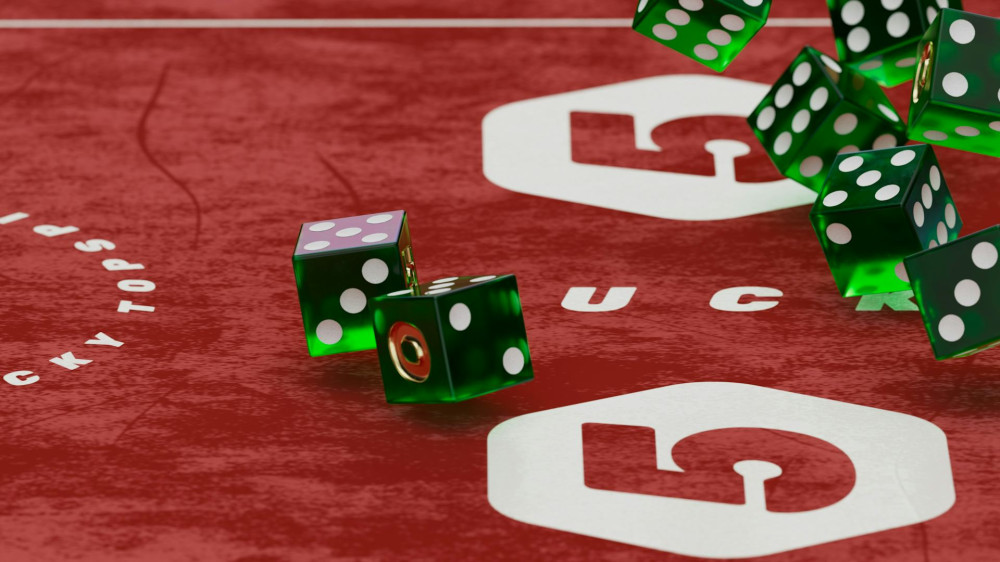
Casino games are built on unpredictability. Every roll of the dice, every spin of the wheel, and every pull of the slot lever is an independent event—meaning past results have no influence on future ones.
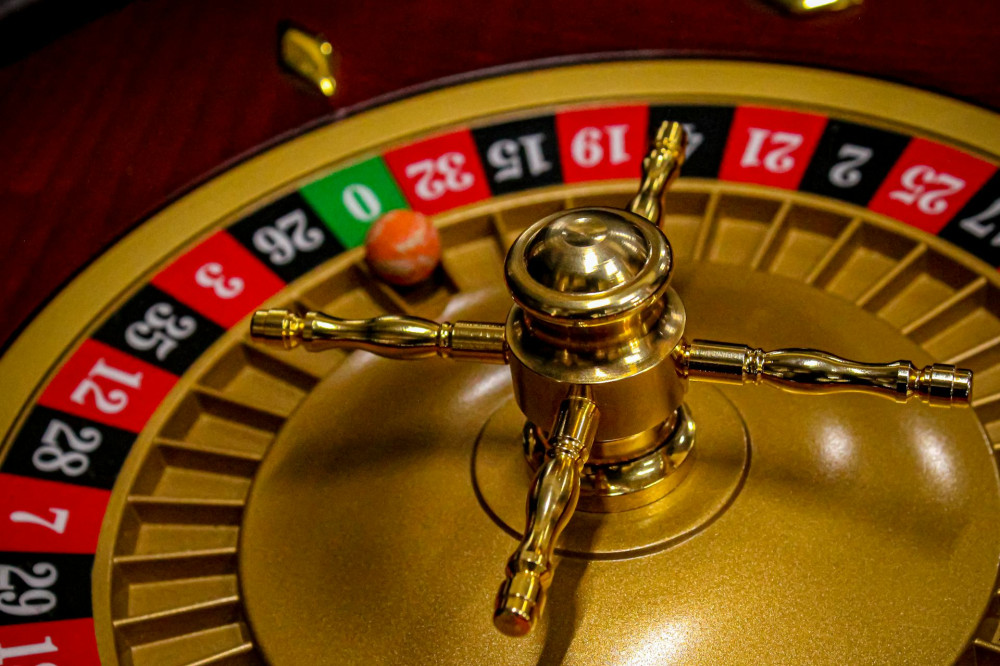
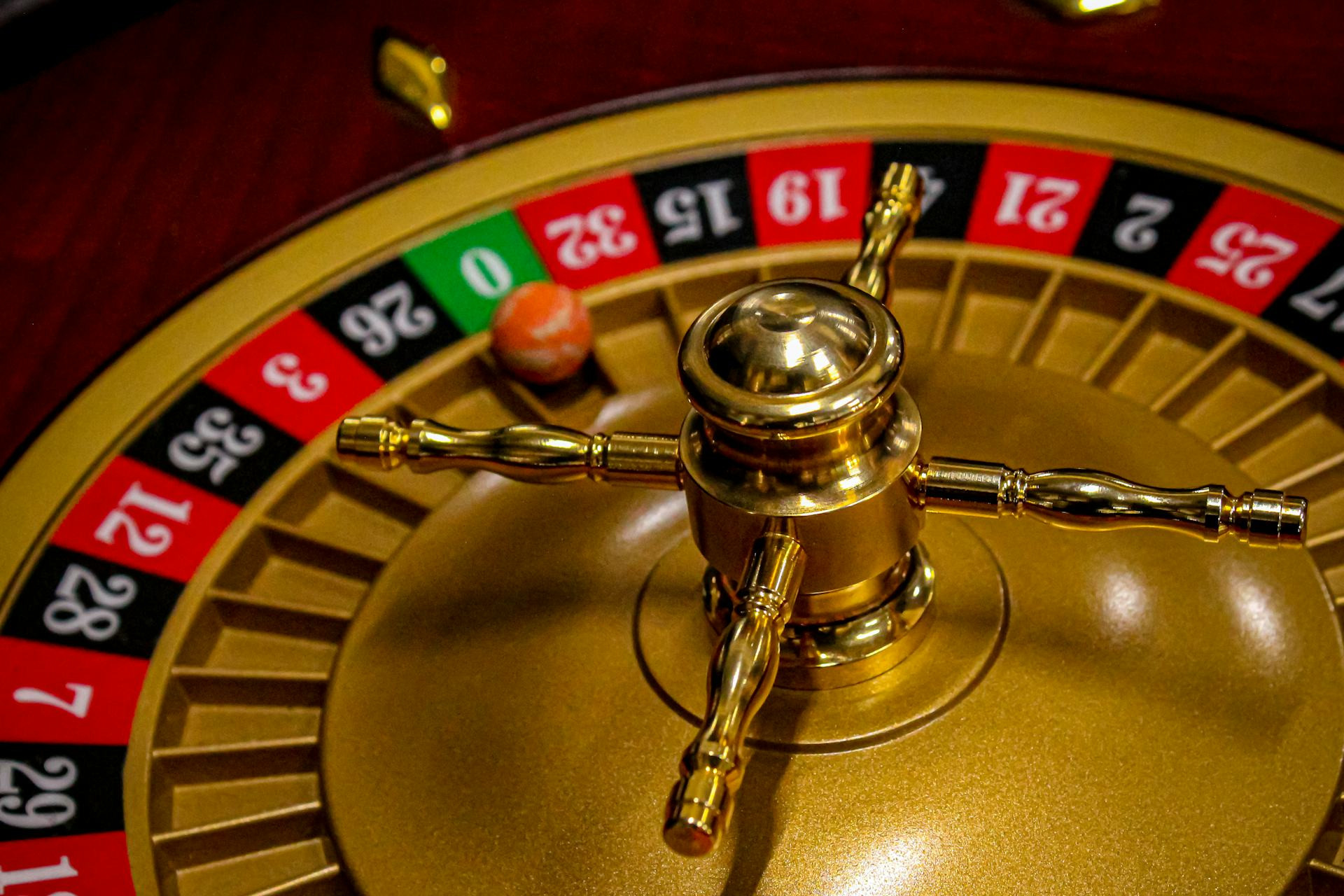
Take roulette, for example: the chance of the ball landing on red is the same every time, even if it’s landed on black ten times in a row. Many players fall for the gambler’s fallacy—the belief that a certain outcome is “due.” In reality, each spin starts fresh, unaffected by what came before.
Probability in Action – What the Numbers Tell You
Probability is the mathematical way of expressing how likely something is to happen. In casino games, it’s often shown as a percentage or a ratio. For instance:
- In American roulette, there are 38 pockets (numbers 1–36, plus 0 and 00). The chance of hitting a specific number is 1 in 38—about 2.63%.
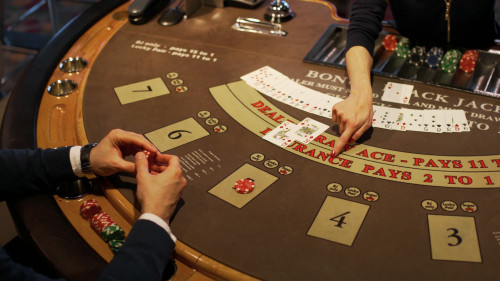
- In blackjack, your odds depend on both your cards and the dealer’s visible card. Strategy and math can reduce the house’s advantage, but they can’t eliminate it.
- In slot machines, outcomes are determined by a Random Number Generator (RNG), ensuring that every spin is completely random. There are no “hot” or “cold” machines—only random results.
Læs også:

The House Edge – Why the Casino Wins Over Time
Even though casino games are random, they’re not neutral. Each game has a built-in house edge—a small mathematical advantage that ensures the casino profits in the long run.
For example:
- In American roulette, the house edge is about 5.26%.
- In blackjack, with perfect strategy, it can drop to around 0.5%.
- In slot machines, it typically ranges from 2% to 10%, depending on the game’s design.
This doesn’t mean you can’t win—it just means that, over thousands of plays, the odds slightly favor the house. That small edge adds up to consistent profits for the casino.
Myths and Misconceptions
Casino games are surrounded by myths that can lead players to make poor decisions. Here are some of the most common:
-
“I’m on a winning streak.” Past wins don’t affect future outcomes. Each round is independent.
-
“The machine owes me a payout.” RNGs ensure that machines don’t “remember” previous results.
-
“There’s a foolproof betting system.” Systems like the Martingale (doubling your bet after each loss) may sound logical, but they don’t change the odds—and can quickly lead to big losses.
Knowing the difference between myth and math is key to playing smart.
Playing with an Understanding of Probability
Understanding probability doesn’t take the fun out of gambling—it helps you enjoy it more responsibly. Here are a few tips:
- Set a budget—and stick to it. Treat gambling as entertainment, not a way to make money.
- Choose games with a lower house edge if you want your money to last longer.
- Learn the rules and strategies—especially in games like blackjack and poker, where knowledge can improve your odds.
- Take breaks—and stop while the game is still fun.
When you understand how chance and probability work, you become a more informed player—and you can appreciate casino games for what they truly are: a thrilling mix of luck, mathematics, and entertainment.
Læs også: