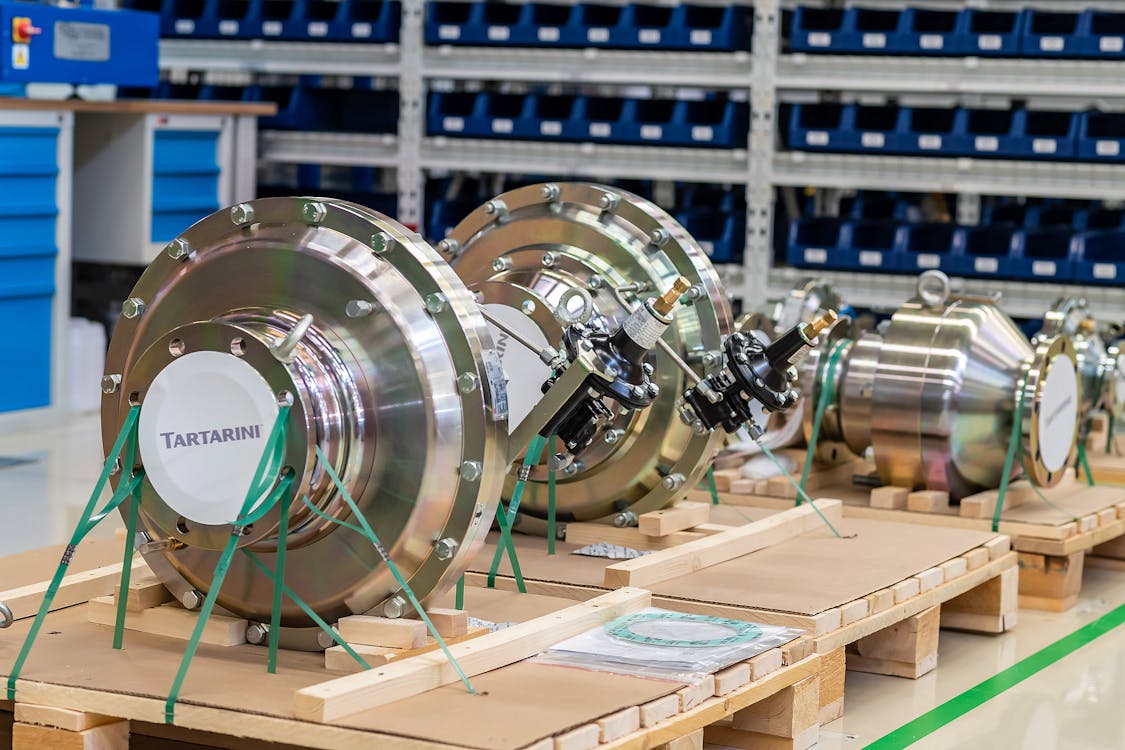
Deep draw presses are a specialized type of hydraulic press used primarily for forming sheet metal into intricate, deep, and seamless shapes. Unlike conventional stamping, deep drawing allows manufacturers to create components with high depth-to-diameter ratios without compromising structural integrity. Industries ranging from automotive to aerospace, household appliances, and electronics rely heavily on
deep draw presses to produce high-precision components efficiently. The ability to manufacture complex parts in large volumes has positioned deep draw presses as essential machinery in modern production environments.
Key Components and Functionality of Deep Draw Presses
Deep draw presses operate on a hydraulic or mechanical principle to apply force uniformly across a metal blank. The main components include the die, punch, bolster plate, and hydraulic cylinder. The punch pushes the sheet metal into the die cavity, forming the desired shape while maintaining thickness and avoiding cracks or wrinkling. Hydraulic deep draw presses provide adjustable speed and pressure, allowing operators to tailor the forming process for different metals such as aluminum, stainless steel, and copper. The precision and repeatability of deep draw presses make them invaluable for high-volume production runs.
Applications of Deep Draw Presses Across Industries
The applications of deep draw presses are diverse and widespread. In the automotive industry, these presses are used to manufacture fuel tanks, chassis components, wheel rims, and body panels. In aerospace, deep draw presses produce lightweight yet structurally robust parts for aircraft interiors and engine components. Household appliance manufacturers use deep draw presses to form washing machine drums, refrigerator panels, and oven components. The electronics sector relies on deep draw presses for creating enclosures and precision housings for devices. This versatility demonstrates why deep draw presses are crucial for numerous industries that demand accuracy, efficiency, and scalability.
Market Demand for Deep Draw Presses
The market for deep draw presses has grown steadily due to increasing industrialization and the rising need for complex, high-volume manufacturing. Many small and medium-sized enterprises (SMEs) and large corporations invest in deep draw presses to improve production efficiency and reduce labor costs. The ability to perform multiple forming operations in a single press stroke makes deep draw presses a cost-effective solution compared to traditional multi-step processes. Additionally, as industries adopt lean manufacturing and just-in-time production methods, deep draw presses help companies maintain consistent quality while minimizing waste and operational expenses.
Economic Benefits of Deep Draw Presses
Investing in deep draw presses provides significant economic advantages. First, they reduce production time by consolidating multiple forming stages into a single operation, which decreases labor costs and increases throughput. Second, deep draw presses minimize material waste because they allow precise metal deformation without excessive trimming. This efficiency leads to lower raw material costs over time. Third, the durability and long service life of high-quality deep draw presses reduce maintenance and replacement expenses, contributing to long-term cost savings. For manufacturers, these economic benefits make deep draw presses a highly attractive investment in both capital and operational planning.
Deep Draw Presses and Cost Efficiency
One of the primary reasons companies adopt deep draw presses is cost efficiency. By automating complex sheet metal forming tasks, these presses reduce dependency on manual labor and improve consistency across production batches. In addition, deep draw presses allow manufacturers to optimize material usage through precise die and punch design. Over the lifecycle of the equipment, the combination of reduced labor, lower scrap rates, and high throughput translates into a strong return on investment (ROI). Even small businesses can leverage deep draw presses to compete in industries traditionally dominated by larger manufacturers.
Deep Draw Presses in Small and Medium-Sized Enterprises
Deep draw presses are not limited to large corporations; SMEs increasingly recognize their value. For smaller companies, deep draw presses enable the production of high-quality parts at competitive prices, opening opportunities to supply automotive, appliance, and electronics markets. By streamlining production processes, SMEs can offer shorter lead times and respond more quickly to customer demands. This accessibility helps level the playing field, allowing smaller manufacturers to compete economically with larger industry players while maintaining profitability.
Technological Advancements in Deep Draw Presses
Technological innovations have further enhanced the economic and industrial value of deep draw presses. Modern presses integrate computer numerical control (CNC), programmable hydraulic systems, and real-time monitoring, allowing precise control over pressure, speed, and stroke length. Automation reduces human error and ensures consistent part quality, which is particularly important in sectors like aerospace and automotive, where precision is critical. Some advanced deep draw presses also include energy-saving features, which lower operational costs and contribute to sustainability initiatives, making them both economically and environmentally advantageous.
Global Market Trends for Deep Draw Presses
The global demand for deep draw presses is influenced by the growth of key manufacturing sectors worldwide. Emerging markets in Asia, South America, and Eastern Europe have seen significant investments in automotive, appliance, and industrial equipment production, driving the adoption of deep draw presses. In established markets such as North America and Western Europe, companies continue to replace older equipment with modern, more efficient presses to remain competitive. This global market trend highlights the economic relevance of deep draw presses across both mature and developing industrial economies.
Economic and Industrial Importance of Deep Draw Presses
In conclusion, deep draw presses are a critical investment for companies seeking precision, efficiency, and economic viability in manufacturing. Their ability to produce complex, high-quality components quickly and consistently has made them indispensable across a wide range of industries. Economically, deep draw presses reduce labor costs, minimize material waste, and provide a strong return on investment through high throughput and durability. Whether in large corporations or small and medium-sized enterprises, deep draw presses enable manufacturers to meet growing market demands, maintain competitiveness, and optimize operational costs. As industries continue to innovate and scale production, deep draw presses will remain at the forefront of industrial machinery, combining technological sophistication with significant economic impact.