Plan Your Household Finances for Greater Long-Term Freedom

Plan Your Household Finances for Greater Long-Term Freedom
A healthy household budget isn’t just about paying the bills today—it’s about creating freedom and security for the future. Whether you rent, own a home, or are saving for one, a thoughtful financial plan can bring peace of mind and flexibility when life changes. Here’s how you can plan your household finances with both the present and the long term in mind.
Know Where You Stand
Before you can make a plan, you need to understand your current financial situation. Start by mapping out:
- Income: Salary, bonuses, side jobs, child benefits, or retirement income.
- Fixed expenses: Rent or mortgage, insurance, utilities, internet, property taxes, and loan payments.
- Variable expenses: Groceries, transportation, entertainment, clothing, and unexpected costs.
Once you have a clear picture of where your money goes, you can identify areas for improvement. Many people are surprised by how much small, recurring expenses can add up over time.
Set Realistic Goals
Good financial planning isn’t just about cutting costs—it’s about prioritizing what matters most. Think about what you want to achieve in the short and long term. For example:
- Paying off credit card or student loan debt faster.
- Saving for home improvements or energy-efficient upgrades.
- Building a cushion for travel, hobbies, or early retirement.
Create a plan that fits your lifestyle. It’s better to set achievable goals you can stick to than overly ambitious ones that lead to frustration.
Create Breathing Room in Your Budget
Even small adjustments can make a big difference. Review your regular expenses and look for opportunities to optimize:
- Refinance loans: Check if you can lower your interest rate or switch to a loan that better suits your needs.
- Compare insurance and subscriptions: Many households overpay simply because they haven’t reviewed their policies or plans in years.
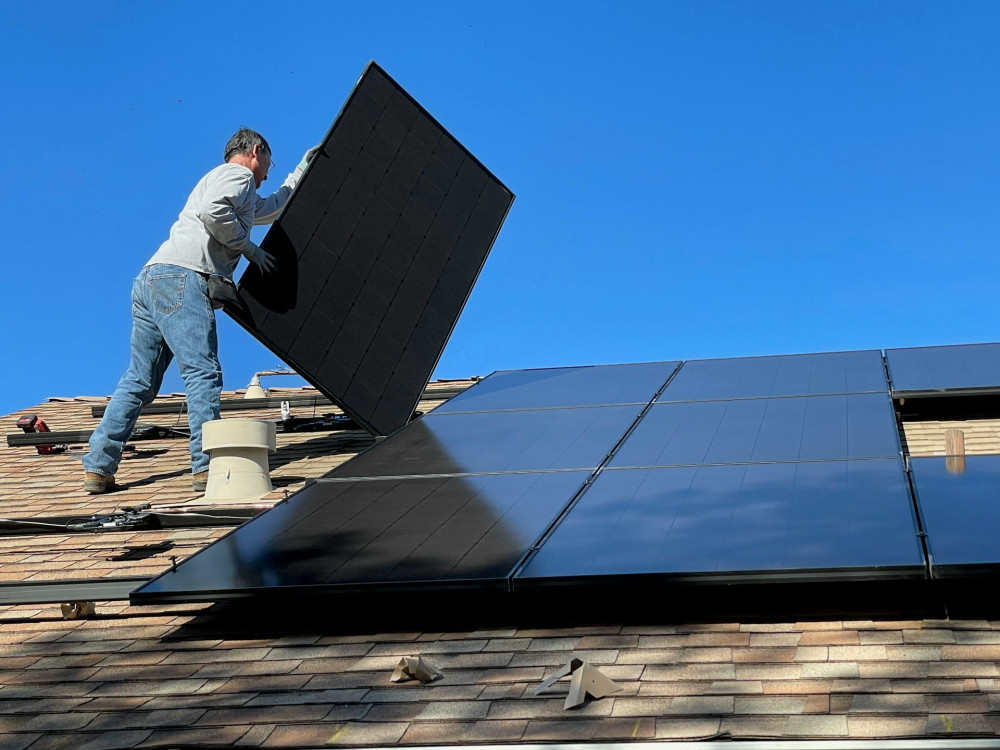
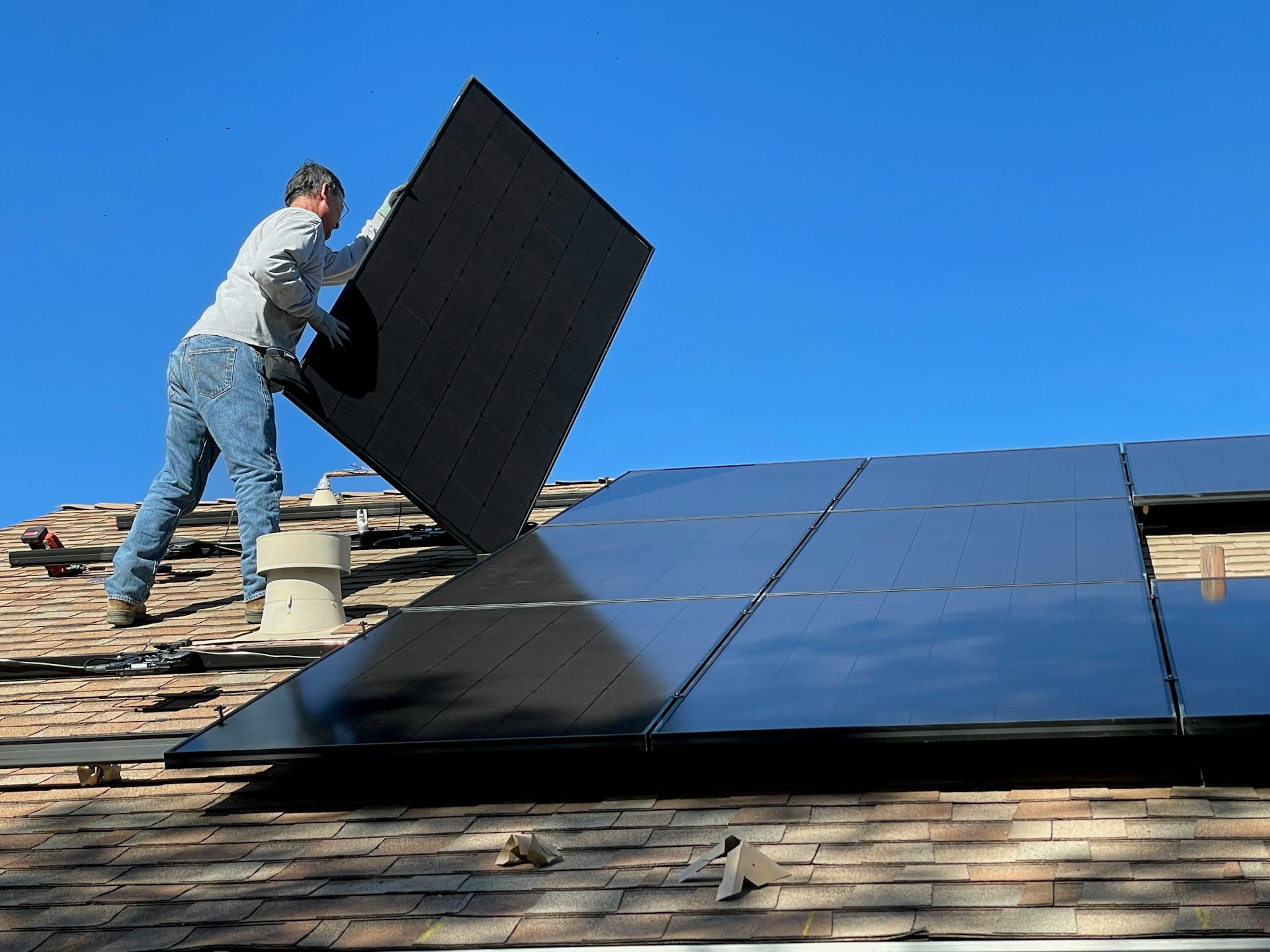
- Cut energy costs: Upgrading insulation, installing a smart thermostat, or switching to solar can save money in the long run.
When you free up funds, you can choose to direct them toward savings, debt repayment, or experiences that enrich your life.
Think Long-Term—Even in Uncertain Times
Financial planning isn’t just about today’s numbers; it’s about preparing for change. Consider how your finances would look if you lost your job, faced a medical emergency, or retired earlier than expected. An emergency fund covering three to six months of essential expenses can provide valuable security when life throws you a curveball.
If you own a home, think about flexibility too. A fixed-rate mortgage can protect you from rising interest rates, while a home equity line of credit can offer short-term breathing room if needed. The key is to understand your options before you need them.
Use Your Home as a Source of Freedom
For many Americans, a home is both a place to live and a major financial asset. Over time, home equity can become an important part of your financial freedom. You might use it to fund renovations, help your children with college costs, or supplement your retirement income.
However, remember that home equity isn’t the same as cash. Using it wisely is essential to maintaining long-term stability. Before making big decisions, consider consulting a financial advisor or mortgage professional.
Læs også:

Make Financial Planning a Habit, Not a Chore
Managing your household finances doesn’t have to be overwhelming. Set aside time a few times a year to review your budget, loans, and insurance. Use digital tools or budgeting apps to track spending and stay organized.
When you make financial check-ins a regular habit, money management becomes a natural part of life—not something you only think about when problems arise.
Freedom Through Financial Clarity
Ultimately, planning your household finances is about freedom—the freedom to choose how you live, work, and spend your time without being controlled by money worries. With a clear overview, realistic goals, and a plan that fits your life, you can build a stable foundation for both today and the future.
Læs også: